
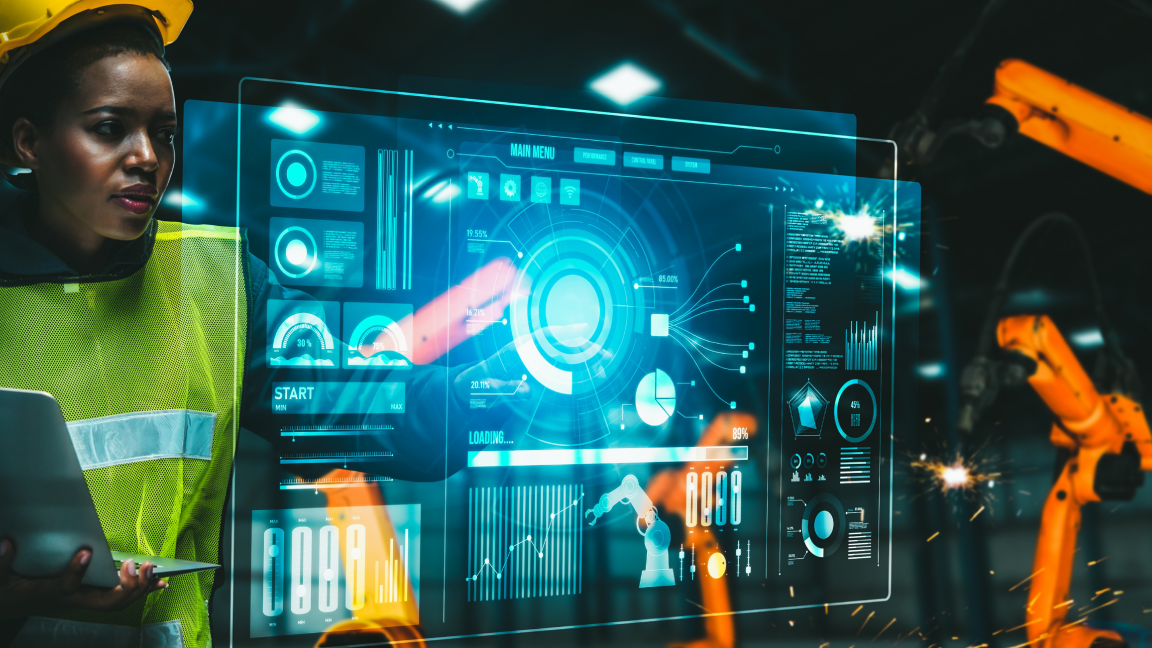
As we usher in 2025, the realm of workplace safety is experiencing a transformative shift, driven by cutting-edge technology and a heightened focus on employee well-being. Let’s explore the key trends and innovations redefining safety standards in 2025.
Wearable Technologies ● Wearable devices are becoming increasingly popular in the workplace. These devices can monitor vital signs, track movements, and provide real-time alerts to prevent accidents. From smart helmets to exoskeletons, wearable tech is revolutionising how we approach workplace safety.
Data-Driven Safety Programmes ● Data is the new gold in workplace safety. By leveraging data analytics, companies can identify patterns, predict potential hazards, and implement preventive measures. This approach not only enhances safety but also improves overall operational efficiency.
AI and Machine Learning ● Artificial Intelligence (AI) and Machine Learning (ML) are transforming safety management. AI-powered systems can analyse vast amounts of data to detect anomalies and predict risks, enabling proactive safety measures. These technologies are also being used to train employees through virtual reality simulations.
Offsite Construction ● Offsite construction is gaining traction as a safer alternative to traditional on-site building. By constructing components in a controlled environment, the risks associated with working at heights and in adverse weather conditions are significantly reduced.
Remote and Hybrid Work Safety ● The rise of remote and hybrid work models has introduced new safety challenges. Employers must now consider ergonomic setups, fire hazards, and other safety issues in home offices and remote locations. Ensuring the safety of remote workers is becoming a top priority.
Collaborative Robots (Cobots) ● Collaborative robots, or cobots, are designed to work alongside humans safely. These robots can handle repetitive and dangerous tasks, reducing the risk of injuries and allowing human workers to focus on more complex tasks.
Immersive Technologies ● Immersive technologies like virtual reality (VR) and augmented reality (AR) are being used for safety training and hazard recognition. These technologies provide a realistic and engaging way to train employees on safety protocols and emergency procedures.
Sustainability in Safety ● Sustainability is becoming a key consideration in workplace safety. Companies are adopting eco-friendly practices and materials to reduce their environmental impact while ensuring the safety of their employees.
Stay tuned for more updates and innovations in workplace safety as we continue to navigate the challenges and opportunities of 2025.